
Curtain Wall vs Structural Glazing: A Complete Comparison
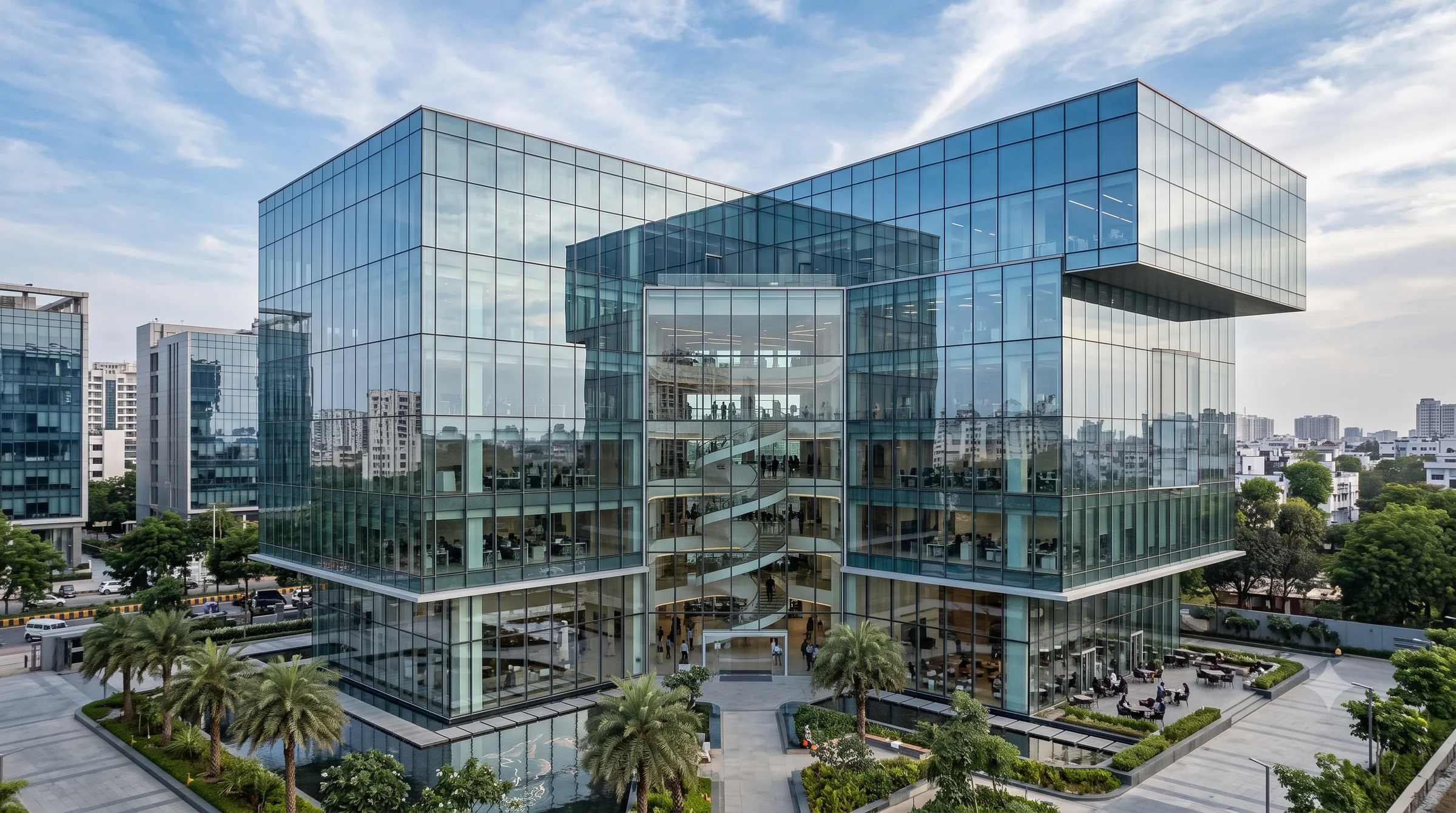
## Introduction to Modern Facade Systems
The exterior facade of a building serves multiple functions beyond aesthetics. It acts as the primary weather barrier, contributes to thermal efficiency, manages natural light, and defines the architectural identity of the structure. Two of the most widely used facade technologies in modern construction are curtain wall systems and structural glazing.
What is a Curtain Wall?
A curtain wall is a non-structural outer covering of a building that keeps weather out and occupants in. It transfers wind loads and its own dead load back to the building structure through connections at floors or columns. Key characteristics include:
- **Non-load bearing**: Does not carry any building loads other than its own weight
- **Aluminium frame construction**: Typically uses extruded aluminium profiles
- **Multiple infill options**: Glass, metal panels, stone, or composite materials
- **Types**: Stick-built (assembled on-site) and unitized (factory-assembled modules)
Unitized Curtain Wall Systems
Unitized systems represent the more advanced approach to curtain wall installation. Panels are fully assembled in a controlled factory environment and transported to site for installation. Benefits include:
- Faster on-site installation
- Higher quality control
- Reduced weather dependency
- Better sealant performance
What is Structural Glazing?
Structural glazing (also called structural silicone glazing or SSG) is a facade system where glass panels are bonded to the supporting frame using high-performance structural silicone sealant. The glass appears to float on the building surface because the supporting frame is hidden behind the glass.
Key characteristics:
- **Flush exterior surface**: No visible framing from outside
- **Silicone bonding**: Glass is attached using structural silicone adhesive
- **Clean aesthetic**: Creates a smooth, seamless glass appearance
- **Weather sealing**: The silicone bond provides both structural attachment and weather seal
Comparison
| Factor | Curtain Wall | Structural Glazing | |--------|-------------|-------------------| | Aesthetics | Visible frame grid | Flush, seamless glass | | Cost | Variable by type | Generally moderate | | Installation | Complex on-site or unitized | Requires precision | | Maintenance | Accessible frame gaskets | Silicone inspection needed | | Performance | Excellent thermal options | Good thermal performance | | Height Suitability | Any height | Typically mid-rise |
Choosing the Right System
The decision between curtain wall and structural glazing depends on:
1. **Building height and wind loads**: High-rise buildings may require unitized curtain walls 2. **Architectural vision**: Structural glazing offers a cleaner aesthetic 3. **Budget considerations**: Both systems have different cost profiles 4. **Climate**: Thermal performance requirements vary by location 5. **Maintenance access**: Consider long-term maintenance requirements
Professional Facade Engineering
Whether you choose curtain wall or structural glazing, the quality of engineering, materials, and installation determines the long-term performance of your facade system. Work with experienced facade engineering companies that understand local building codes, wind load calculations, and thermal performance requirements.
Plan Your Project with EKOSYS Engineers
Get direct advice, site assessments, and accurate project proposals.
Related Engineering Insights
Complete Guide to Rooftop Solar Installation in Bihar
Everything you need to know about installing rooftop solar panels in Bihar — from government subsidies and costs to choosing the right EPC company and understanding net metering.
Architecture & DesignModern House Design Ideas for Bihar: Climate, Culture & Contemporary Architecture
Explore contemporary house design ideas tailored for Bihar's climate and lifestyle — from ventilation-optimized layouts and vastu-compliant planning to modern elevation design and smart material choices.